Black history is much more than a list of famous names or a single month on the calendar. It is the story of people of African descent across many places and time periods. This guide focuses mainly on African American history in the United States, while recognizing that Black history is also global.
These Black history facts explain major events, important people, and historical patterns that shaped American life. They also show how Black communities built institutions, challenged injustice, created culture, and expanded the meaning of freedom.
Quick Facts About Black History
| Fact | Why It Matters |
|---|---|
| Black history is global. | It includes African, African American, Caribbean, Latin American, European, and other Black experiences around the world. |
| Black history is central to U.S. history. | Slavery, the Civil War, Reconstruction, segregation, civil rights, music, politics, education, and labor cannot be fully understood without it. |
| Black History Month grew from Negro History Week. | Historian Carter G. Woodson helped create Negro History Week in 1926 to encourage schools and communities to study Black life and achievement. |
| Black Americans shaped every major part of American life. | Their influence can be seen in law, literature, science, sports, business, music, religion, education, and social movements. |
| Many Black history stories were ignored for generations. | Older textbooks often left out Black leaders, communities, soldiers, artists, intellectuals, workers, and ordinary families who shaped history. |
The sections below move from broad background to key historical periods, then to leaders, culture, lesser-known facts, and a timeline. This structure helps keep the facts connected instead of turning the article into a random trivia list.
What Is Black History?
Black history is the study of the lives, experiences, achievements, struggles, and cultures of people of African descent. In the United States, it often focuses on African American history, but the subject also connects to African civilizations, the Atlantic slave trade, Caribbean history, Latin America, Europe, and modern Black communities around the world.
In American history, Black history includes the forced migration of Africans, the growth of slavery, the fight for emancipation, the building of families and communities, the struggle for citizenship, and the creation of powerful cultural traditions. It is a history of survival and leadership, but also of learning, faith, protest, invention, art, and institution-building.
The Origins of Black History Month
Black History Month has roots in the work of Carter G. Woodson, a historian who believed that Black history should be studied seriously and taught widely. Woodson helped found what is now the Association for the Study of African American Life and History, also known as ASALH.
In 1926, Woodson launched Negro History Week. He chose February partly because the birthdays of Frederick Douglass and Abraham Lincoln were already important dates in many Black communities. His goal was not to limit Black history to one week, but to encourage schools, churches, newspapers, and civic groups to make Black history part of public education.
Over time, the week expanded into a month-long observance. In 1976, Black History Month received national recognition in the United States. Today, it remains a time for classrooms, museums, families, and communities to study Black history more intentionally.
Early Black History in America
Africans in Colonial America
People of African descent were part of early American history before the United States existed. In 1619, the first recorded enslaved Africans arrived in English North America at Old Point Comfort, Virginia. Their arrival marked an important turning point in the history of the English colonies, though African history in the Americas had begun earlier in other regions.
In colonial North America, the status of Black people varied by place and time. Some people of African descent were enslaved. Some were free. Some lived under forms of unfree labor that became more rigid over time. By the late seventeenth and eighteenth centuries, English colonies developed harsher laws that tied slavery to race and made enslaved status hereditary.
Slavery Shaped American History
Slavery became a major economic, political, and legal system. Enslaved people were forced to work in agriculture, skilled trades, households, ports, mines, and other settings. Their labor helped build wealth for slaveholders, businesses, and governments.
The system also shaped national debates. Questions about slavery affected the writing of laws, the balance of political power, westward expansion, and conflicts between states. By the nineteenth century, slavery had become one of the central issues dividing the country.
Resistance to Slavery
Enslaved people resisted slavery in many ways. Some escaped, rebelled, slowed work, learned to read, preserved family ties, practiced religion, or passed down cultural traditions. Others used legal systems when possible or helped protect loved ones from sale and separation.
The Underground Railroad became one of the best-known examples of resistance and cooperation. Free Black communities, abolitionists, and freedom seekers worked through networks of safe houses and secret routes. Resistance did not always look dramatic from the outside, but it was a constant part of enslaved life.
Black History Facts About the Civil War and Emancipation
The Civil War changed the future of slavery in the United States, and Black Americans helped push the conflict toward emancipation. Enslaved people escaped to Union lines, provided information, supported military movements, and forced national leaders to confront the meaning of freedom.
President Abraham Lincoln issued the Emancipation Proclamation on January 1, 1863. It declared enslaved people in areas under Confederate control to be free and allowed Black men to join the Union Army and Navy. According to the National Archives, roughly 179,000 Black men served in the Union Army by the end of the war, along with about 19,000 in the Navy.
Black soldiers served in infantry, artillery, cavalry, and support roles. Many saw their service as a fight for freedom, family, and citizenship. Their participation challenged racist claims about Black ability and strengthened the case for emancipation.
In 1865, the 13th Amendment abolished slavery in the United States. Emancipation did not instantly create equality, safety, or economic security, but it ended the legal institution of slavery and opened a new struggle over what freedom would mean in everyday life.
Reconstruction Facts Students Should Know
Reconstruction was the period after the Civil War when the United States tried to rebuild the country and define the rights of formerly enslaved people. It lasted roughly from 1865 to 1877, though its effects continued long afterward.
Reconstruction was a test of whether the United States would turn emancipation into real citizenship, voting rights, education, and legal protection. It was one of the most important and often misunderstood periods in American history.
The Freedmen’s Bureau
The Freedmen’s Bureau was established in 1865 to help formerly enslaved people and others affected by the Civil War. Its responsibilities included relief, labor contracts, education, legal support, and assistance with abandoned or confiscated lands.
The Bureau’s records are still valuable today because they include information about families, marriages, schools, labor, violence, and community life after slavery. The Freedmen’s Bureau Search Portal from the National Museum of African American History and Culture helps researchers explore these records.
Black Political Leadership
Reconstruction brought major political change. Black men voted, held office, helped write state constitutions, and served in local, state, and national government. This was a remarkable shift only a few years after slavery had been legal in much of the country.
Black political leaders supported public education, civil rights, labor protections, and fairer government. Their participation showed that Reconstruction was not only a federal policy. It was also a grassroots effort by formerly enslaved people and free Black communities to claim citizenship.
The Backlash Against Reconstruction
Reconstruction faced violent resistance. White supremacist groups used terror and intimidation to weaken Black political power. Southern states passed Black Codes and later Jim Crow laws to restrict the freedom of African Americans.
When federal commitment to Reconstruction declined, many protections for Black citizens weakened. The end of Reconstruction did not end Black organizing, but it allowed segregation, voter suppression, and racial violence to grow stronger in many areas.
Black History Facts About Segregation and Jim Crow
Jim Crow was a system of laws, customs, and violence that enforced racial segregation and inequality after Reconstruction. It was strongest in the South, but racial discrimination also existed in the North, West, and Midwest through housing restrictions, job discrimination, school inequality, and other barriers.
Segregation affected public schools, buses, trains, restaurants, theaters, parks, hospitals, restrooms, water fountains, neighborhoods, and voting systems. Black Americans often received inferior services or were excluded from public spaces altogether.
Jim Crow was not only about separation. It was about power. Poll taxes, literacy tests, intimidation, and unfair registration rules kept many Black citizens from voting. Racial violence, including lynching, was used to enforce fear and silence opposition.
Black communities responded by building institutions that supported daily life and long-term resistance. Churches, schools, newspapers, mutual aid societies, women’s clubs, legal organizations, and civil rights groups helped people survive segregation and challenge it.
Black History Facts About the Civil Rights Movement
Court Cases and School Desegregation
One of the most important legal victories of the civil rights era was Brown v. Board of Education. In 1954, the U.S. Supreme Court ruled that state-sponsored segregation in public schools violated the 14th Amendment. The decision rejected the idea that segregated schools could be equal.
Even after the ruling, desegregation was slow and often met with resistance. Families, students, lawyers, teachers, and activists continued to push for enforcement. The struggle over schools showed that court victories mattered, but real change also required local courage and political pressure.
Boycotts, Sit-Ins, and Marches
The civil rights movement used many forms of protest. The Montgomery Bus Boycott challenged segregated transportation after Rosa Parks was arrested in 1955. Sit-ins challenged segregated lunch counters. Freedom Rides tested whether interstate bus travel would follow federal desegregation rulings.
Marches and mass meetings brought national attention to local struggles. The 1963 March on Washington became one of the most famous demonstrations in American history, but the movement also depended on smaller local campaigns in cities and rural communities across the country.
Voting Rights and Civil Rights Laws
Voting rights were central because political power affected schools, courts, jobs, public services, and safety. In many Southern states, Black citizens were blocked from voting through discriminatory laws and intimidation.
The Civil Rights Act of 1964 prohibited discrimination in public places, supported school integration, and made employment discrimination illegal. The Voting Rights Act of 1965 gave the federal government stronger tools to challenge racial discrimination in voting. These laws were major turning points, but they did not instantly end inequality. Many communities continued to fight over enforcement, access, and protection.
Important Black Leaders and Changemakers
Political and Civil Rights Leaders
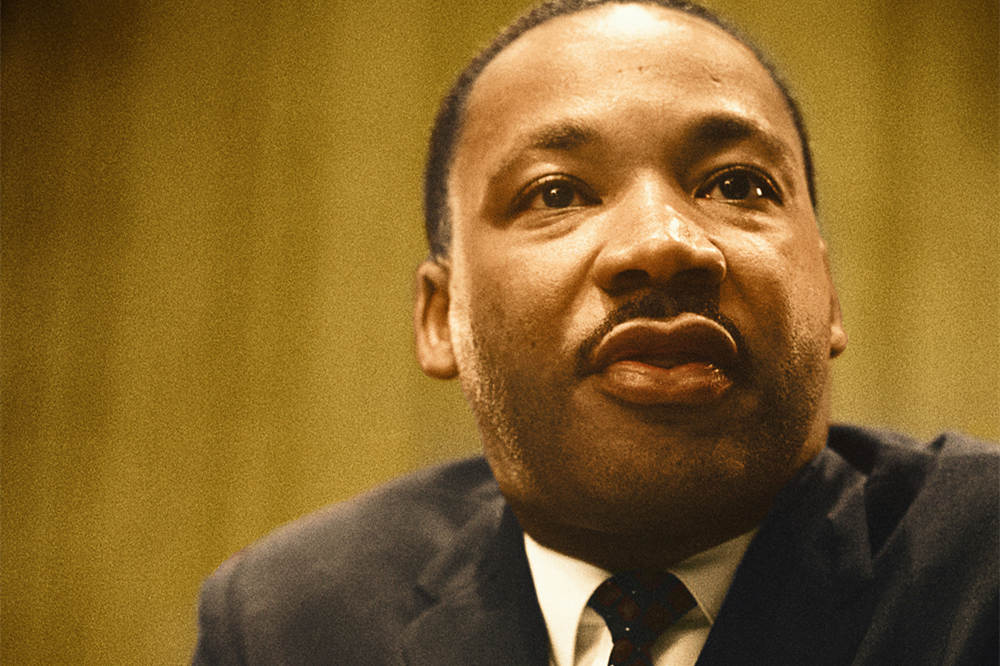
Frederick Douglass used speeches, writing, and organizing to fight slavery and demand equal citizenship. Ida B. Wells investigated lynching and exposed racial violence through journalism. Martin Luther King Jr. became a leading voice for nonviolent protest and civil rights legislation. Malcolm X emphasized Black self-determination, human rights, and pride. Fannie Lou Hamer fought voter suppression in Mississippi. John Lewis helped lead student activism, voting rights campaigns, and later served in Congress.
Writers and Thinkers
Black writers and intellectuals helped shape how Americans understood race, democracy, freedom, and identity. W.E.B. Du Bois wrote about the color line and Black political struggle. Zora Neale Hurston preserved and celebrated Black folk culture. James Baldwin wrote powerfully about race, morality, and American identity. Maya Angelou’s poetry and memoirs explored dignity, trauma, and resilience. Toni Morrison’s novels placed Black life, memory, and language at the center of American literature.
Scientists, Inventors, and Educators
Black history also includes major contributions to science, technology, and education. George Washington Carver became known for agricultural research and teaching. Katherine Johnson’s mathematical work helped advance the U.S. space program. Mary McLeod Bethune built educational institutions and advised national leaders. Mae Jemison became the first Black woman to travel into space.
Artists, Musicians, and Athletes
Black artists, musicians, and athletes changed American culture. Louis Armstrong helped transform jazz. Billie Holiday’s music carried emotional and political power. Jackie Robinson broke Major League Baseball’s modern color barrier in 1947. Muhammad Ali became a global sports figure and public voice on race, religion, and war. Aretha Franklin’s voice helped define soul music and became connected to pride, faith, and civil rights.
Lesser-Known Black History Facts
Many important Black history facts are not always included in basic timelines. After emancipation, Black communities built schools, churches, newspapers, businesses, and mutual aid groups. These institutions helped people educate children, care for families, organize politically, and protect community life.
Black newspapers played a major role in spreading information. They reported on racism, promoted migration opportunities, celebrated achievements, and connected readers across regions. During the Great Migration, newspapers such as the Chicago Defender helped encourage and guide Black Southerners who were considering moving to Northern and Midwestern cities.
The Great Migration was one of the largest movements of people in U.S. history. From roughly the 1910s through the 1970s, about six million Black people left the South for Northern, Midwestern, and Western states. They moved for jobs, education, safety, voting rights, and a better chance at dignity.
Historically Black Colleges and Universities, often called HBCUs, played a major role in Black history. They educated teachers, doctors, lawyers, ministers, scientists, artists, and civil rights leaders at times when many other institutions excluded Black students.
Black women were central to many freedom struggles, even when they received less attention than male leaders. They organized voter registration drives, led local protests, taught in schools, wrote for newspapers, founded clubs, raised money, challenged violence, and built networks that sustained movements over time.
Black History Facts About Culture and Everyday Life
Black history is not only found in laws, wars, and political speeches. It is also found in daily life. Food traditions, music, language, worship, family stories, fashion, sports, and neighborhood institutions all carry history.
Black music has shaped American and global culture through spirituals, blues, gospel, jazz, rhythm and blues, rock and roll, soul, funk, hip-hop, and many other forms. These traditions often grew from lived experience, community creativity, and the blending of African, American, Caribbean, and other influences.
Food traditions also tell historical stories. Dishes connected to African American, Creole, Gullah Geechee, Caribbean, and Southern cooking often reflect migration, agriculture, survival, celebration, and adaptation. Family recipes can carry memories of place, labor, faith, and community.
Churches, barbershops, beauty salons, schools, social clubs, and local businesses have often served as community anchors. They provided more than services. They offered gathering places, leadership, information, protection, and a sense of belonging.
Everyday culture matters because it shows how history is lived. It reminds readers that Black history includes ordinary people as well as famous leaders.
Black History Timeline
| Year | Event |
|---|---|
| 1619 | The first recorded enslaved Africans arrive in English North America at Old Point Comfort, Virginia. |
| 1863 | The Emancipation Proclamation takes effect and changes the Civil War’s relationship to slavery and freedom. |
| 1865 | The 13th Amendment abolishes slavery in the United States. |
| 1868 | The 14th Amendment grants birthright citizenship and equal protection under the law. |
| 1870 | The 15th Amendment prohibits denying voting rights based on race, color, or previous condition of servitude. |
| 1896 | Plessy v. Ferguson upholds the “separate but equal” doctrine, strengthening legal segregation. |
| 1954 | Brown v. Board of Education rules that segregated public schools are unconstitutional. |
| 1963 | The March on Washington brings national attention to civil rights, jobs, and freedom. |
| 1964 | The Civil Rights Act prohibits discrimination in public places and employment and supports school integration. |
| 1965 | The Voting Rights Act strengthens federal protection against racial discrimination in voting. |
| 1976 | Black History Month receives national recognition in the United States. |